Femtech Is Not a Niche. It Is Half the Market.
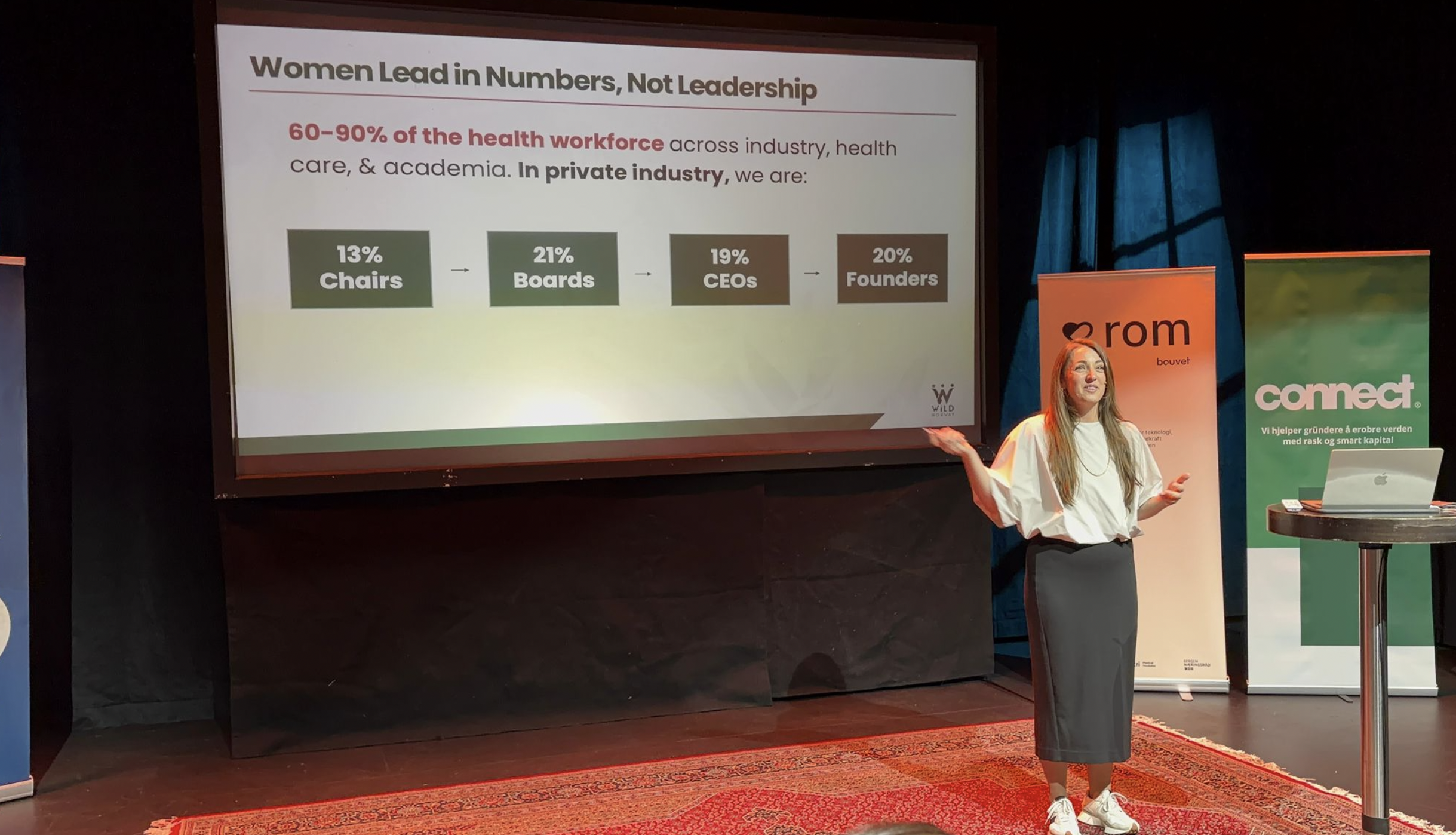
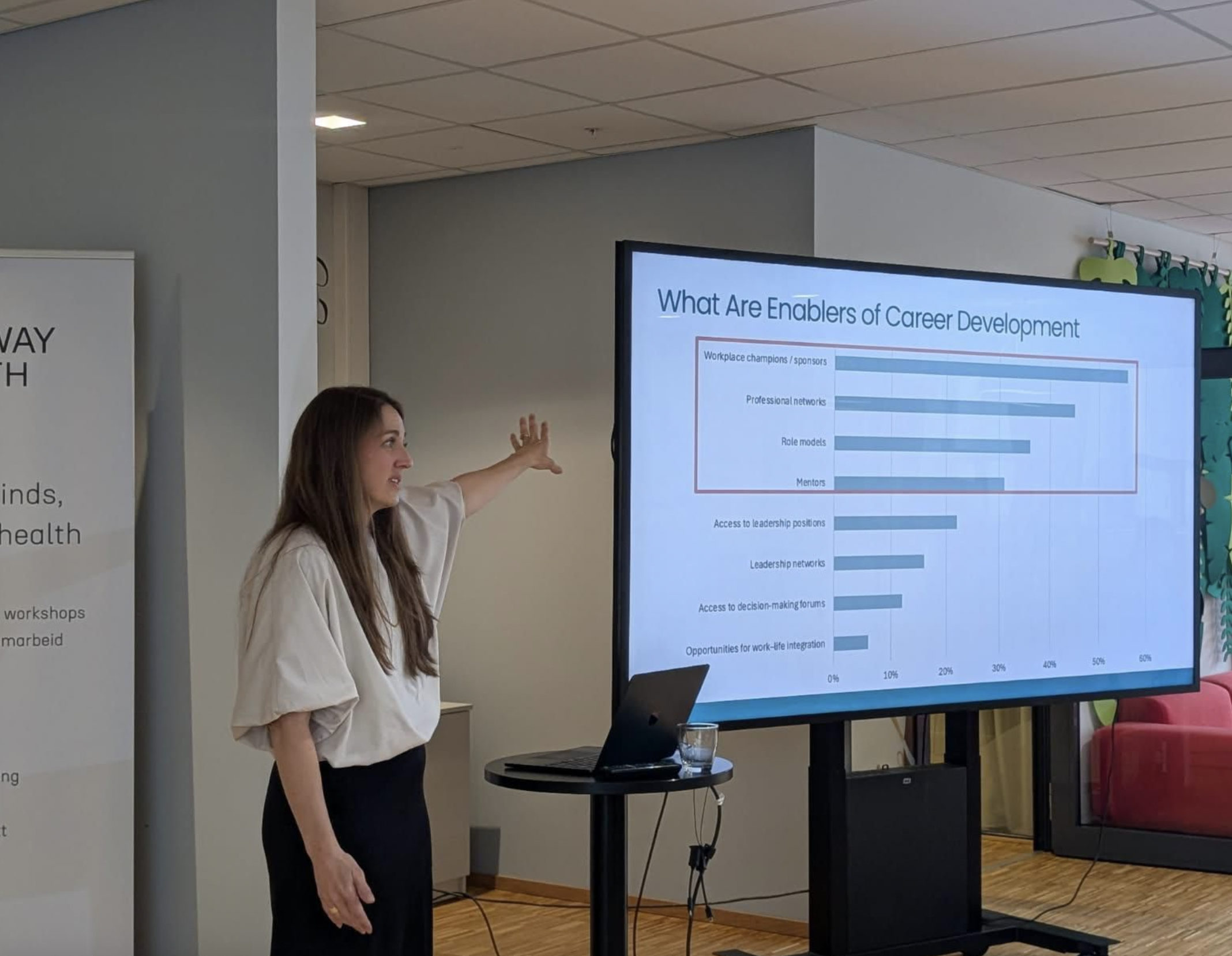
WiLD Norway was proud to take part in Femtech – Half the Market, Double Potential, hosted by VIS together with ConnectVest and partners in Bergen on 16 April. The event brought together founders, investors, researchers, ecosystem leaders and health innovators for an important conversation about one of the most overlooked opportunities in health innovation: women’s health. Chelsea Ranger, Founder and Chair of the Board of WiLD Norway, presented her talk, “Women’s Health is Not a Market – It’s a Lens”. She addressed the women’s health gap and the leadership gap and why it continues to shape what gets funded, built, and prioritized across the sector.
The programme made one thing clear: women’s health should not be treated as a side category or niche market. As the event framing itself emphasized, women remain underrepresented in the research, datasets, and technologies that shape modern healthcare, even though they make up half the population and drive a large share of health-related decision-making. The result is a chasm between real needs and available solutions, but also a major innovation and investment opportunity.
In her presentation, Chelsea highlighted the structural barriers that continue to hold the field back:
“Female founders in women’s health companies are the most likely to develop solutions that are for women. But less than 1% of VC funding goes towards female founders. That early innovation funding in female founders is what protects us, but when it is cut, it exacerbates the existing bias.”
Her message connected directly with the broader themes of the event: that the leadership gap, funding gap, and women’s health gap are deeply intertwined. When investment decisions are made without a full understanding of the unmet needs across the female health journey, promising innovation is too often missed or underfunded. The event programme itself reflected this wider value-chain perspective, from investment discussions and ecosystem analysis to company pitches and product development case studies. These same themes are explored further in the new white paper, From Talent to Power, co-authored by WiLD Norway, Women in Life Science Denmark, and VILDA. It examines how leadership structures influence what is seen, supported, and funded across the life science sector.
Chelsea also emphasized the need to move from awareness to action:
“We need to start asking the questions and put money behind the data we already have, we need to tip the scales and put it into action. We also need to see champions who understand the red thread. We often look at a sliver of a pie and that makes sense to us as individuals rather than seeing the problem and the trajectory in the entire value chain.”
That idea of the “red thread” was central. Women’s health is not a collection of isolated issues. It is a connected systems challenge that runs across research, clinical care, product design, leadership, and capital allocation. Addressing it requires not only better data and stronger innovation pipelines, but also decision-makers willing to see the full picture.
WiLD Norway was pleased to contribute to this discussion alongside investors, founders, and partners working to strengthen the women’s health ecosystem in Norway and beyond. Events like this help build the shared understanding, visibility and momentum needed to turn known gaps into real progress. These conversations will continue at WiLD Norway’s upcoming Summer Summit, The Red Thread on 4 June in Oslo, which will bring together leaders across the ecosystem to explore the full value chain of women’s health.